- About
-
-
- The Shaar
-
-
- Prayer
-
-
- Media
-
-
-
- Life
-
-
- Lifecycle
Events
-
-
- Venues
-
-
-
-
- Community
-
-
- Adult Engagement
-
-
- Youth and
Young Families
-
-
- Tikkun Olam
-
-
-
-
- Music
-
-
- SH’MA
-
-
-
- Learning
-
-
- Adult Education
-
-
-
-
- Calendars
-
-
- Calendar
-
-
-
- Daily Services
- eNewsletter Sign-Up
- My Account

Malvina Klag - Eishet Chayil
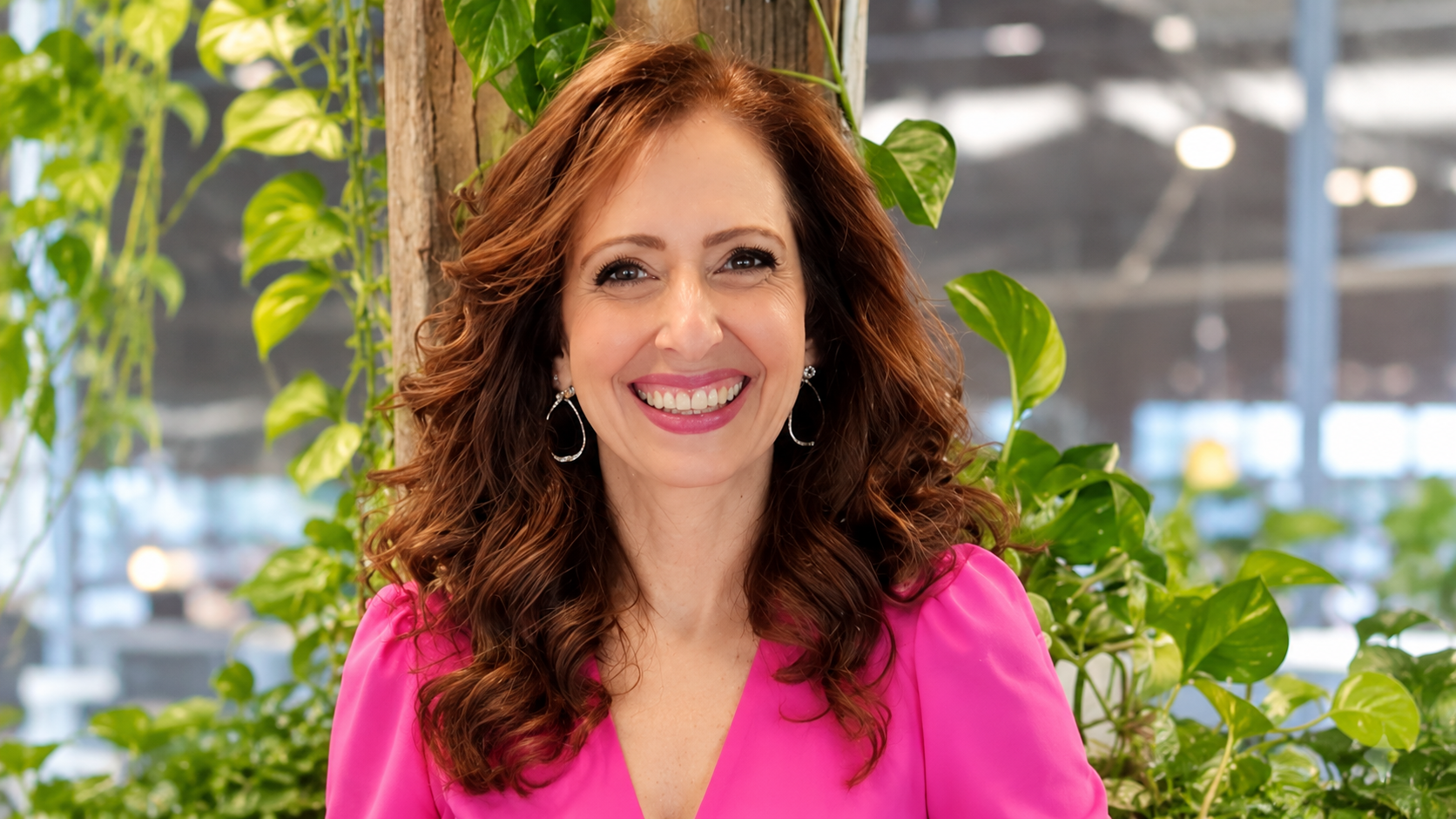
Simchat Torah is a moment of endings and new beginnings, a recurring idea in Jewish texts, and arguably a persistent theme for much of Jewish life through the centuries. It is also a reminder of both the beauty in the repeating cycles of Jewish life, and the opportunity for evolution from one cycle, or even one generation, to the next.
On the first day of Rosh Hashanah of this year 5787, during a moment of particularly loud chatter and lots of movement in the sanctuary, Rabbi Scheier told a short story that many congregants may not have heard. In fact, as Rabbi Scheier reported to me later, he didn’t think anyone listened! But, from far away in my balcony seat, I did. The story, as I heard it, began with a rabbi saying to someone who came to pray, “Why are you here?” And that question touched me.
Why am I here?
My deep connection to the Congregation Shaar Hashomayim is rooted in endings and new beginnings. My dad, Léo Klag, of blessed memory, somehow found the Shaar in the late 1940s. This was around the same time that Rabbi Schuchat, of blessed memory, exactly the same age as my dad, joined the Shaar. My dad was in Montreal not by choice, but as a result of a little-known story of thousands of German Jewish refugees who were protected and interned in the U.K., then sent to Canada by boat in 1940 after the onset of World War II. Winston Churchill decided that their presence in the U.K. would no longer be safe for Great Britain or for the refugees. Whereas Canada was meant to offer them refuge, it instead interned them as prisoners of war in multiple internment camps across Canada, fearing that some might be spies. My dad, along with so many others, arrived in Quebec City, was stripped of his belongings, his identification papers and his rights, and was imprisoned at Île au Noix in St. Jean sur Richelieu. He was 20 years old.
Released in 1942, by which time his entire family had been murdered in Poland, he worked hard to make a life, lived at a room in the YMCA in downtown Montreal for 7 years, and, during that time, discovered the Shaar. The Shaar and Rabbi Schuchat welcomed him with open arms, even without a penny to his name to pay for membership. The Shaar was the place that enabled him to feel at home in a city that did not make him feel welcome as a German Jew, and in a moment during which he was overrun with loneliness, grief, and uncertainty.
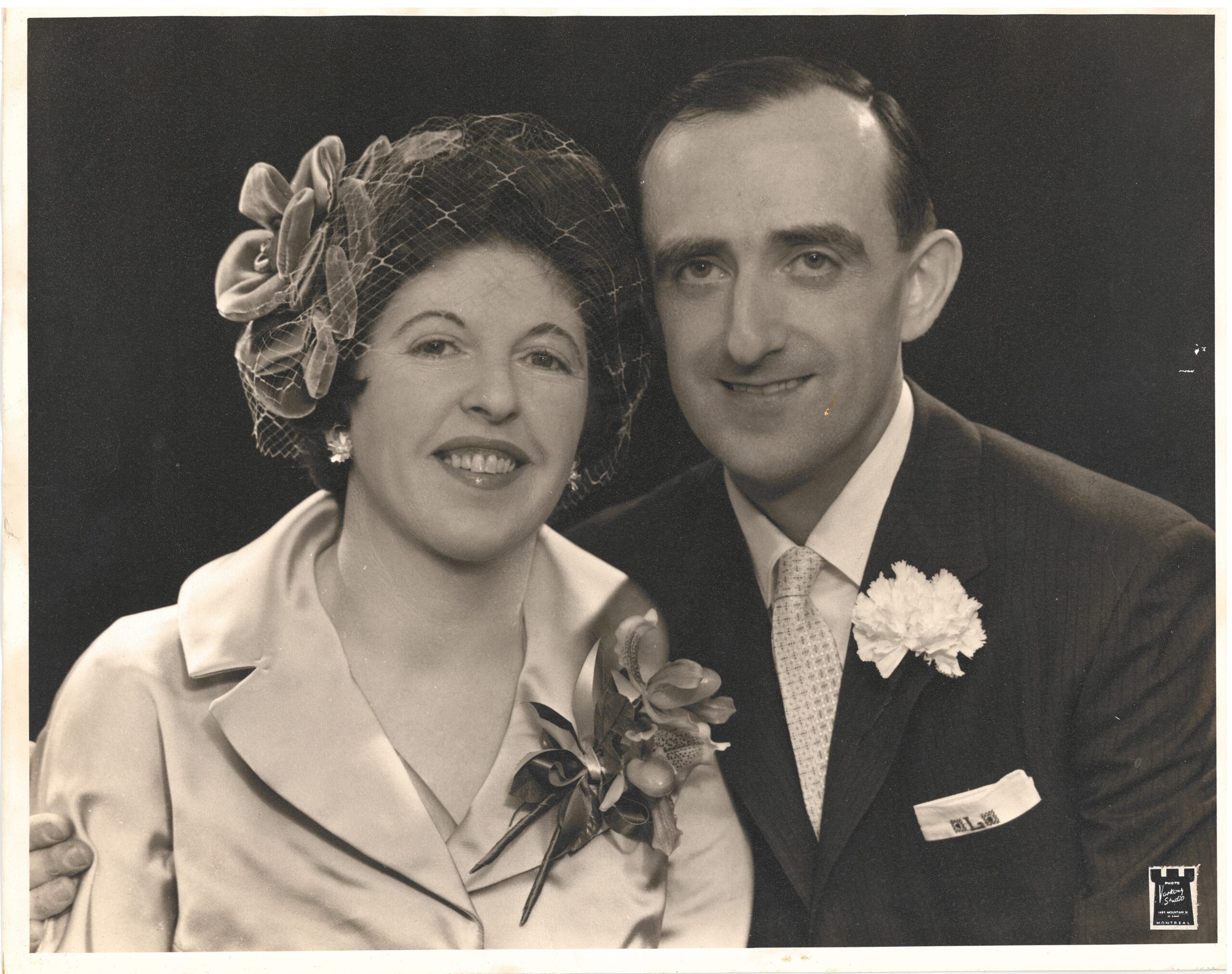
My dad eventually met my mom, Suzanne Russo, of blessed memory, also a newcomer originally from Vienna, a brilliant, adventurous and progressive young lady, saved by the Kindertransport and orphaned during the Holocaust. They married in Rabbi Schuchat’s library in 1959 with less than 20 people in attendance. They created their own family. They had two children, my brother became a bar mitzvah at the Shaar, both my brother and I were married at the Shaar, and my and my husband’s children attended the Foundation and Akiva schools. Endings and new beginnings ….
The Shaar became my dad’s spiritual home and his sanctuary for the remainder of his life, until his passing in 2018 at the age of 97, the same year that Rabbi Schuchat passed. Through the over 70 years of his membership at the Shaar, it remained the place where my dad was at peace as he listened intently to the Rabbi, the Cantor and the choir. It was a place where he felt both reverence for, and camaraderie with, the clergy. The music moved him, often taking him back to his childhood in Berlin. In his later years, when he could no longer see, his deep knowledge and incredible memory enabled him to sing every word of every prayer by heart.
I am not my dad, though we were connected at the hip. My dad’s relationship with the Shaar, as it was, has ended. My relationship with the Shaar is different, yet seeded by his. I am of a different generation. I was born into a different context in which my parents sheltered us from their past. I have different interests and different skills, yet my love for the Shaar runs just as deep. Endings and new beginnings…
I sit in the sanctuary of the Shaar Hashomayim, often with awe and wonder. There is much tragedy in our history as Jews, and in my lineage as a child of two Holocaust survivors. In our sanctuary, I feel both the weight and the blessing of that. I feel the presence of my parents and my history in these walls and I think of the generations that came before us all over the world over centuries and over millennia, who, at great risk, continued to speak our languages, to pray, to engage in Jewish rituals, and to bring Jewish values to life. I think of all four of my grandparents and my uncle, all of whom I never met. And I think about the future, and the need for continuity, particularly in this moment of global unrest and exploding antisemitism that many of us never expected to experience in our lifetimes.
I realize that each of us is part of that thread of continuity and has a role to play in it, while acknowledging the heaviness of our collective responsibility to ensure it. In light of that, it has been my greatest honour to serve as an officer of the Shaar Hashomayim and to contribute, along with our inspiring Board of Trustees, Clergy, professional staff, and hundreds of passionate members of the Shaar community, to the development and enactment of a vision for the future of the Shaar. On Yom Kippur day, I was listening (again!) to Rabbi Scheier, as he cited Rabbi Lord Jonathan Sacks, of blessed memory, who insisted that each of us is destined to have a role to play in our world from the moment we are born. The challenge becomes one of discovering that role which lies at the intersection of our passions and what the world needs.
Why am I here? The rabbis’ short story on Rosh Hashanah of “why are you here?”, amidst the noise and bustle, continued with the idea that one may come to synagogue to find God. But … we may also come to find ourselves.
I am deeply honoured and humbled to stand beside this year’s Chatan Torah, David Sochaczevski, and this year’s Chatan Bereishit, Elliot Schuchat, the nephew of the Rabbi Schuchat of blessed memory who held such an important place in my dad’s life and heart. In the repeating cycles of Jewish life, we are following in the footsteps of so many others who have received this honour at the Shaar each year over its 180 years of existence. To endings and new beginnings.
L’dor va dor.
From strength to strength.
Chag sameach.